The product is not AI. The product is people leaving more capable than they came.
Hands-on. Teachers, and everybody else in the building, learn the skill itself, AI literacy, not an app subscription, and make their own review games, reading checks, and paperwork helpers, and keep them. Students build too. No child's data ever touches a machine.
What AI literacy makes possible
Once educators are literate about the uses of artificial intelligence, they are limitless: they build the exact tool the moment they need it or plan with it, specific, detailed, and functional, one hundred percent student-centered, culturally responsive, and standards-aligned. That is how we use artificial intelligence. And the skill stays with the person. A platform is a license: leave the district, or let it lapse, and it is gone, and nothing stays in your hands. What you learn here travels with you, into your next classroom, your own business, your own work.
The terms are being written right now. The question is by whom.
Districts are signing AI deals this year. Whoever is not at the table gets somebody else’s plan.
The longer version
Every week, districts sign agreements that decide what AI will mean inside classrooms. Schools that wait will not get a neutral outcome. They will get somebody else's outcome, and a widening chasm between children taught to direct these tools and children only ever directed by them.
Not a gap. A debt.
It is not a gap. It is a debt, owed to children. AI will add to it or start paying it back.
The longer version
Gloria Ladson-Billings taught the field to stop saying achievement gap and start saying education debt: historical, economic, sociopolitical, and moral, accumulated across generations and owed to children, never carried by them. Birmingham City Schools just posted a 77, its highest grade ever on the state report card, with a three-point climb in one year. The climb is real. The debt is still owed. And the question of this decade is whether artificial intelligence becomes another line of the debt or the beginning of its repayment.
Two futures are open, and only two. This technology is about to create an immense amount of equality or an immense amount of inequality, and the difference is who gets trained to build with it. The knowledge that made the best-prepared teachers the best, culturally responsive practice, behavior systems, differentiation, social and emotional learning, practitioner craft, is no longer walled off behind the programs that taught it. A teacher never exposed to culturally responsive teaching can now carry well-researched practice into the room through the machine in her hand. The preparation gap has become a choice, and 4BC exists to push this technology toward equality, on purpose, at the forefront, for our benefit.
Start with the data the state already keeps. Every school below opens the official Alabama report card. Read the number, then ask the only question that matters: what is the plan for repayment, and who is building it?
Nobody is banning the teacher.
Nobody is banning teachers from building with AI. They are banning AI from teaching kids. Those are different things.
The longer version
New York, the nation's largest district, is banning AI in most classrooms, and the mayor's case is that children need their teachers and human connection. We agree. And we ask what the panel never asks: what exactly is being banned? Everything in that segment bans AI from teaching children. Nothing in it bans a teacher from building.
The ban era clears the field of student-facing products and leaves one model standing: the adult holds the machine, the teacher generates, and the human connection is the delivery system. That is the right conversation, and it is the one 4BC brings.
Phones out. What does Birmingham already know?
Phones out. Nine quick questions on what Birmingham has already done with AI. The last one is yours.
The longer version
Before anyone in the room is told what AI is going to do to this district, the room plays. Nine questions on what Birmingham City Schools has already said and done with artificial intelligence: the policy it passed, the committee it seated, the June training day, the children who told the Children's Crusade with a machine, the report card it is chasing. Every fact is sourced, and the source shows on the board at every reveal. The last question is yours.
 Scan to join · 4bc-live.web.app
- Scan the code on the screen, or tap the button below on your phone.
- Type the four letters from the board, then a name. No account, no app, no download.
- Answer. First tap locks. The board fills live. At the reveal, every phone gets the why and the source.
The same room runs a sixth-grade reading check on Tuesday and a cabinet briefing on Thursday. Every answer, including the open one, exports as a timestamped spreadsheet. Any name works; the device is the identity.
They built it. We directed them.
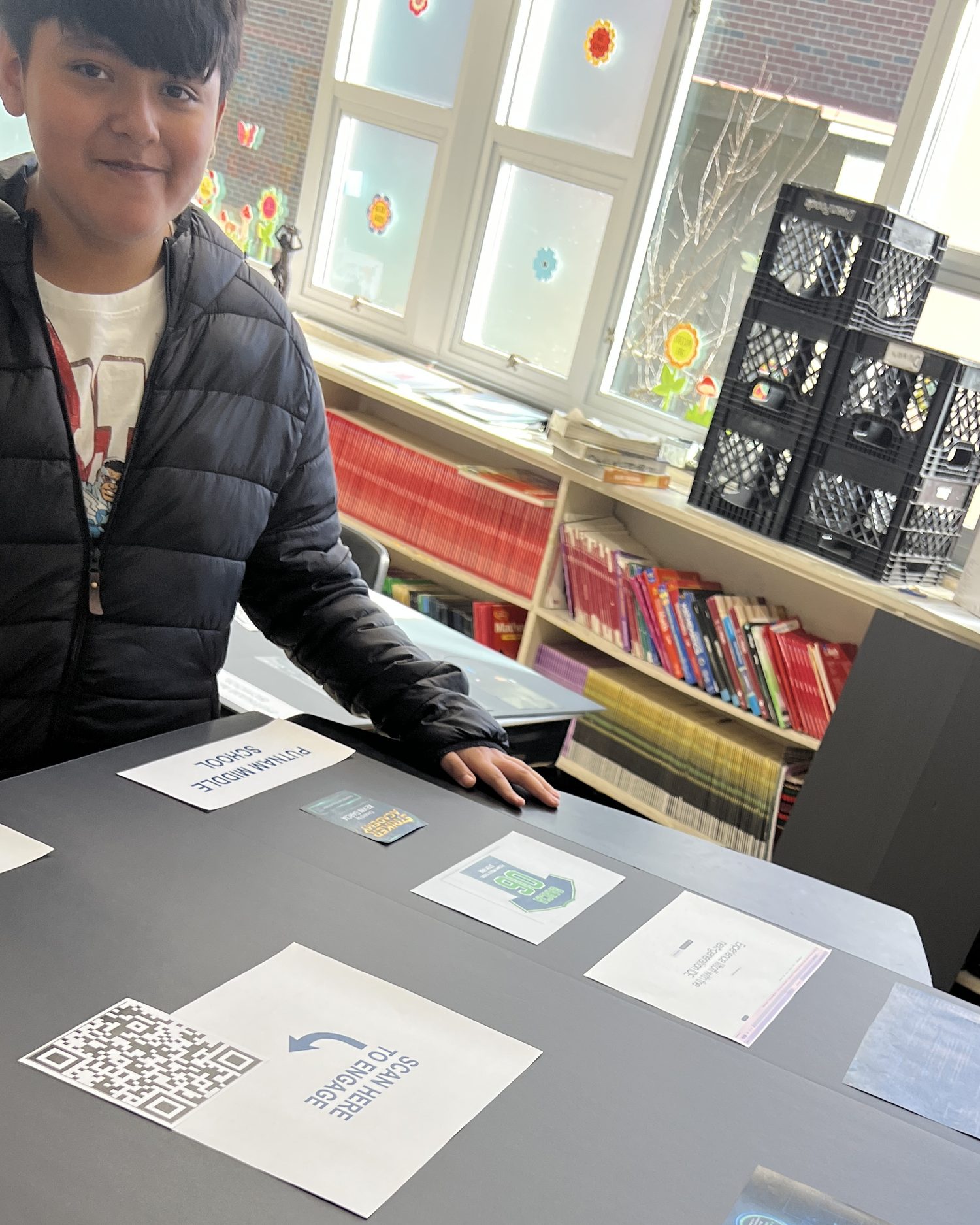
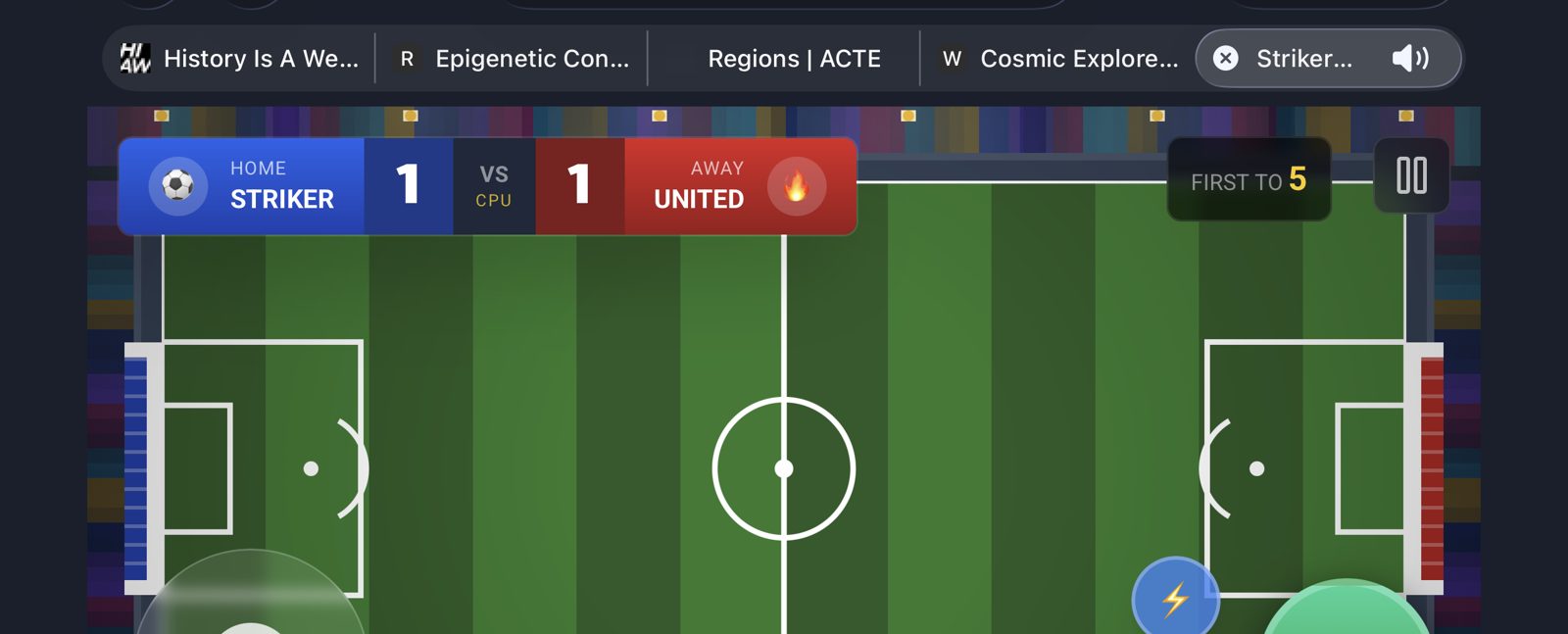
A real sixth-grade AI literacy group built apps you can play on your phone. We entered them in the district's STEM competition, and they went unscored: the note said no QR codes, and a QR code is how a game reaches a phone. The work ran past the rubric. The receipts are below.
The longer version
In a Birmingham City Schools sixth grade classroom, students named the subject, the setting, the characters, and the vocabulary. Our founder, Eli Davis, built the lesson live with their teacher, Ms. Hall, beside him: projected, every prompt and every miss visible. The state standard lived inside a story made of the students' own words, and then they hunted the author's craft through a text they had authored. Assessment followed on a second story built to measure transfer, not recall.
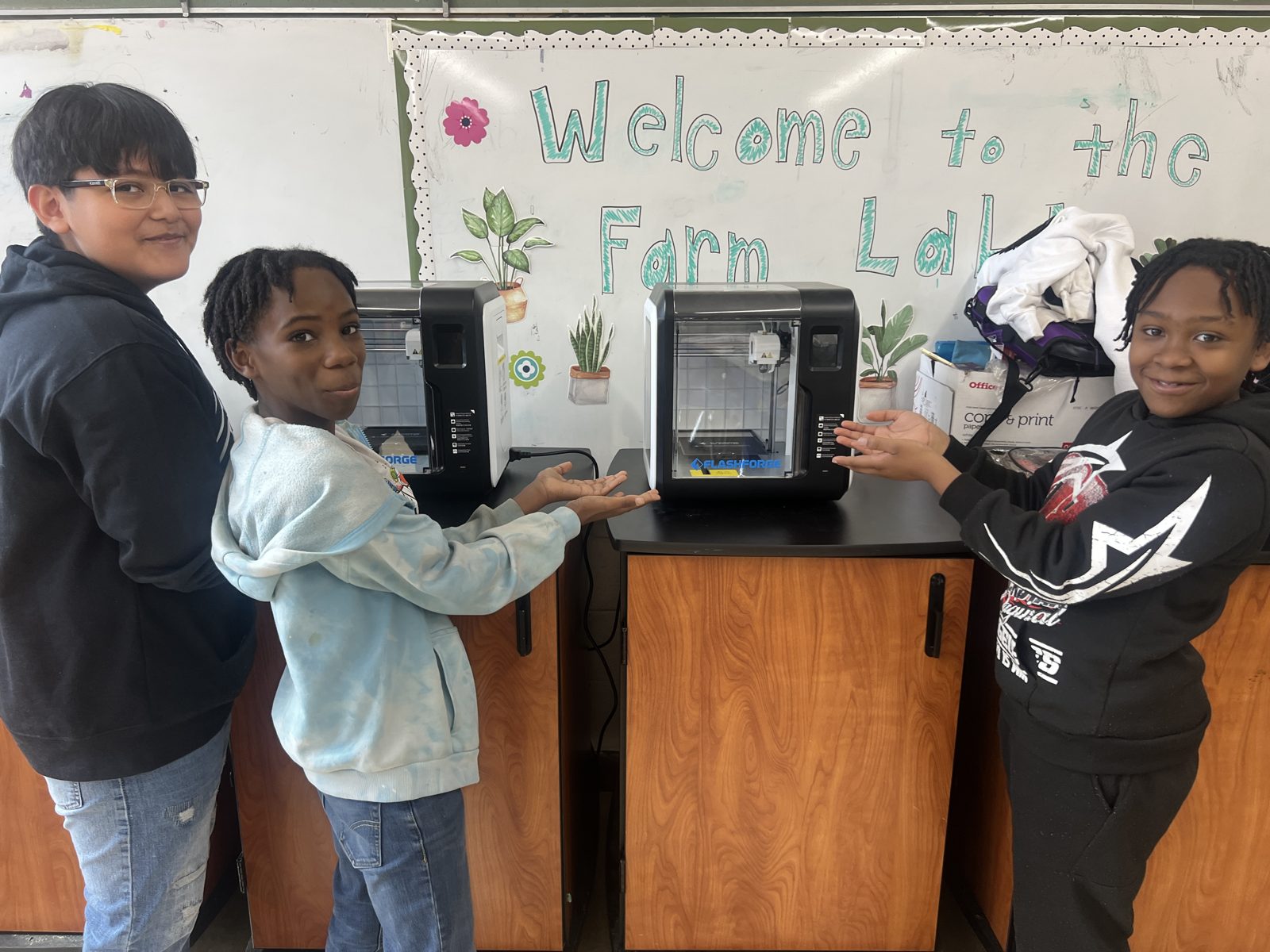
And the students build past the classroom. A STEM cohort built working websites for their families' real businesses, live on the open internet right now:
And the games are live. Tap and play what sixth graders built:
Student names are changed in the public lesson copy. Co-authored article with the classroom teacher in progress. Every color, every word, every question is a file the teacher owns. It could wear your school's colors by Friday.
What your educators walk away holding.
AI literacy is happening. Now the question is what we make with it. For the first time, anybody in the building can build the tool the day needs.
Everybody in the building. Teachers. Administrators. Counselors. Social workers. Psychometrists. Special education staff at the school and the district. Curriculum specialists. Instructional coaches. Athletic coaches. The office. The lunchroom. The superintendent. Every one of them has a job a built tool would make better, and every one of them can build it.
Time returned
Materials preparation drives burnout and first-year attrition. Educators generate standards-aligned lessons, checks, and review tools from their own units in minutes, not weekends.
Fluent, ethical documentation
Progress notes, family communication, and reports drafted faster and better, with a hard discipline: nothing about an identifiable child enters an external system.
Deeper pedagogy
The prompt is where the pedagogy lives. A teacher who knows her standards and her students pulls things from these tools no casual user will see. We train the frame, not the features.
Tools built with your teachers
Interactive lessons, review games, and classroom pages your faculty authors and owns. Every teacher has a tool they wished existed and gave up on. We build the wish, in front of them.
Differentiation for every learner
Chunked text, word banks, sentence frames, choice boards, printed on every copy so no child carries a visibly different paper. Built for different learners, including neurodivergent learners, by an eighteen-year special educator.
Students who build
A builders group where students direct, decide, critique, and author the code, while generation runs on the facilitator's projected device. No student accounts, no student data.
The possible benefits, stated plainly.
| Benefit | Who feels it | What it looks like | Where it stands |
|---|---|---|---|
| Time returned | Teachers | A standards-aligned lesson, a check with instant feedback, and a review game built from the teacher's own unit, in files the teacher owns. | Built and shown: the pilot lesson, its Jeopardy, its transfer assessment. Gallup, 2025: teachers using AI weekly report 5.9 hours a week back. |
| Differentiation on every copy | Students, especially students with IEPs | Chunked text, word banks, sentence frames, and choice boards on every copy, so no child carries a visibly different paper. | Built and shown: the pilot's differentiated packets. |
| Documentation, faster and cleaner | Special education teams | Progress-note and present-levels language drafted from de-identified text. Nothing about an identifiable child leaves the room. | The Caseload Day. The boundary is enforced by architecture, not by promise. |
| The training the district already asked for | Leadership | Sample prompts, lesson design, personalization, and judging AI output, delivered as artifacts teachers keep rather than sessions they attend. | The district's June 8, 2026 training day promised exactly this list. |
| Retention leverage | Leadership, human resources | New teachers leave an institute with the units they are about to teach already built, differentiated, and owned. | Replacing one first-year teacher runs above $85,000. |
| Capability that outlasts the contract | The district | Faculty builds with general-purpose tools they already have. Nothing taught expires when a subscription lapses. | Claude is free to verified US K-12 teachers as of July 2026. |
| Students who build | Students, families | Games and family-business websites live on the open internet, authored by students, with no student accounts and no student data. | Built and shown: the Evidence panel. Tap and play. |
| Data you can defend | Leadership, research | Every live-room answer exports as a timestamped spreadsheet. Assessments measure transfer, not recall. | Built and shown: Panel Live and the transfer assessment. |
Stated first, unprompted, in every room.
These tools never evaluate a child. AI does not determine discipline, special education eligibility or placement, or anything carrying due process rights, and no student's name or identifying detail ever leaves the room.
Judgment about a child stays with the people accountable for that child. We state the limit before the possibilities, and we enforce it by architecture, not by promise.
Platforms rent access. We build capability.
Everybody else teaches teachers to use AI. We teach them to build with it. The tools are free now. Builders are not.
The longer version
The ground has shifted under the subscription market: as of July 2026, Anthropic gives verified US K-12 teachers premium Claude free, and districts a free enterprise year. The platform bill is disappearing. What stays scarce is a faculty that can build, and that capability is the only thing 4BC sells.
They teach you to use it. We teach you to build with it.
Teachers build the applications they need, inside the classroom, at the moment of the idea, and update them in the moment while the students are watching, or at the planning table. The teacher knows the room and knows the students. And the teacher holds the teaching data: not test scores, the data the district and the state already hand over. Standards. National Board standards. The curriculum. Pacing guides. Lesson plans. A district can pull that up for a whole school. A teacher who can build pulls it up for the one child in front of her. People have to be shown how. They would get there on their own eventually. They get there a lot faster with us.
The field is crowded. Everybody is jumping in, and everybody is starting at the same line.
Nobody has prior knowledge of how AI belongs in a school. The research is not in yet and the technology is too new. So the question is not who knows AI. It is who will bring it into the spaces we love, the spaces we care for, the spaces where we spend our days, because that is where it is about to arrive: in our communities. We have been in those spaces for eighteen years.
If MagicSchool comes to mind: MagicSchool is a menu of ready-made tools, and menus are useful. We teach the kitchen, AI literacy itself. A menu also stays with the district: leave, or let the license lapse, and it is gone, and no skill leaves with you. Literacy travels with the person, into the next classroom, a business of your own, work of your own. Teachers who already use it are already talking to AI, which puts them one rung from building their own.
What is out there, plainly.
| Who | What it does | What it costs | What 4BC does instead |
|---|---|---|---|
| MagicSchool AI In Birmingham's June training day | Eighty-plus ready-made teacher tools: lesson plans, rubrics, leveled text, letters home. | Free for a teacher. Plus $99.96 a year. District licenses quoted; their own example puts 100 teachers at $11,988 a year, every year. | Your teachers build the tool the room needs, and own the file when the license lapses. |
| Claude for Teachers Anthropic | The full model, a library of teaching skills, standards-mapped curricula, and an AI Fluency course built with Teach for America. | Free for verified US K-12 teachers since July 2026. A district year free if signed by June 30, 2027. | We train the building to build on it. The tool is free; the capability is the work. |
| Gemini for Education Google, with ISTE+ASCD | Gemini inside Classroom: drafts, quizzes, rubrics, re-leveled text. Free Gemini training offered to every US educator. | Free with Workspace for Education. | Same answer. Free access is the floor. Building is the ceiling. |
| Khanmigo for Teachers Khan Academy | Lesson plans, rubrics, differentiated assignments, generated for you. | Free for US teachers, underwritten by Microsoft. | Generated for you is use. Built by you is authorship. |
| ISTE+ASCD | Online courses such as AI Deep Dive for Educators, certifications, and the district training days; they ran Birmingham's June 8 day. | Course and certification fees, priced on their site; the Google-backed training is free. | Not a course you attend. A room where you leave holding what you made. |
| Ed Farm Birmingham | A twelve-month Teacher Fellows program across thirteen Birmingham City Schools, challenge-based learning, Apple credentials. Co-ran the June 8 day. | A funded fellowship. | A partner before a competitor: we would rather run the build days alongside them. |
| QuantHub Birmingham | AI and data literacy in five to ten minutes a day on a platform; a Data Ambassadors program for teachers. About 1,700 Birmingham teachers trained. | Quoted. | Literacy about AI is the entry. Building with it is the job. |
| aiEDU | A nonprofit's AI literacy and readiness curriculum and teacher training across subjects. | Nonprofit programs. | Curriculum tells a class about AI. We put the machine in the teacher's hands. |
| 4 Black Centuries | Teachers build the applications their classroom needs, from their own teaching data, under a boundary that never touches a child's record. | $2,500 a day. $18,000 for a cohort of twelve to fifteen, once. | A faculty that builds. It does not expire. |
Prices and program facts checked against each organization's own published pages and Birmingham City Schools' June 2026 announcement, September 2026. Where a company does not publish a number, the table says so.
And the thing no vendor can follow us into: a commercial product must be walled off from the real world, which strips out cultural and linguistic specificity. No platform can know this cafeteria, this dialect, this child's grandmother. Your teachers can, because your teachers are the authors. With Dr. Teaira C. McMurtry of the University of Alabama at Birmingham, one of the six authors of the 2020 CCCC Demand for Black Linguistic Justice, the work carries a Black Language and speech-technology layer almost nobody in this market addresses.
Engagements and rates.
The question for your building: what are you willing to invest in? A subscription that ends, or a faculty that builds. Clear prices below. Tap any row for exactly what you get.
The longer version
Package pricing rewards sequence, because the order carries design value the individual days do not. Title I, Title II-A, Title IV-A, and building funds are all viable paths, and we scope to the funding source. Delivered in Birmingham, across the United States, and remotely anywhere in the world; rates are in US dollars, travel and time zones are scoped with the engagement. Tap any row for exactly what the price buys.
| Engagement | Scope | Rate |
|---|---|---|
| Leadership briefing | 90 minutes, live work on one real problem | $2,000 |
Exactly what you get
| ||
| Professional development day | One school, teachers build from their own units | $2,500 |
Exactly what you get
| ||
| The Caseload Day | Special education teams: accommodation-aligned materials, ethical documentation | $3,000 |
Exactly what you get
| ||
| Three-day foundation | One school, sequenced program | $9,000 to $12,000 |
Exactly what you get
| ||
| Build cohort | Six sessions, 12 to 15 teachers | $18,000 |
Exactly what you get
| ||
| New-teacher institute | District cohort, framed against retention | $22,000 |
Exactly what you get
| ||
| Semester engagement | One site, all strands including student builders | $25,000 |
Exactly what you get
| ||
| District semester | Multiple schools, implementation support | $25,000 to $45,000 |
Exactly what you get
| ||
| Train-the-trainer | Certify district coaches, licensed | $30,000+ |
Exactly what you get
| ||
| Keynote or featured session | Conference or convocation | $3,500 to $7,500 |
Exactly what you get
| ||
| Public build workshop | Per educator seat, half day $199 | $349 full day |
Exactly what you get
| ||
| Student builders | Workshops and series, paid by institutions and sponsors | $1,500 to $7,500 |
Exactly what you get
| ||
| Community cohort | Black community AI literacy, sponsor-funded | $7,500 |
Exactly what you get
| ||
Rates reflect delivery by a doctoral candidate and step up on conferral: the day rate goes to $3,500 and every package rises with it. Never below $1,500 for a day; we discount scope, never rate. Co-delivery with Dr. Teaira McMurtry is a different product and is priced as one. Student programs are funded by institutions and sponsors, never by families.
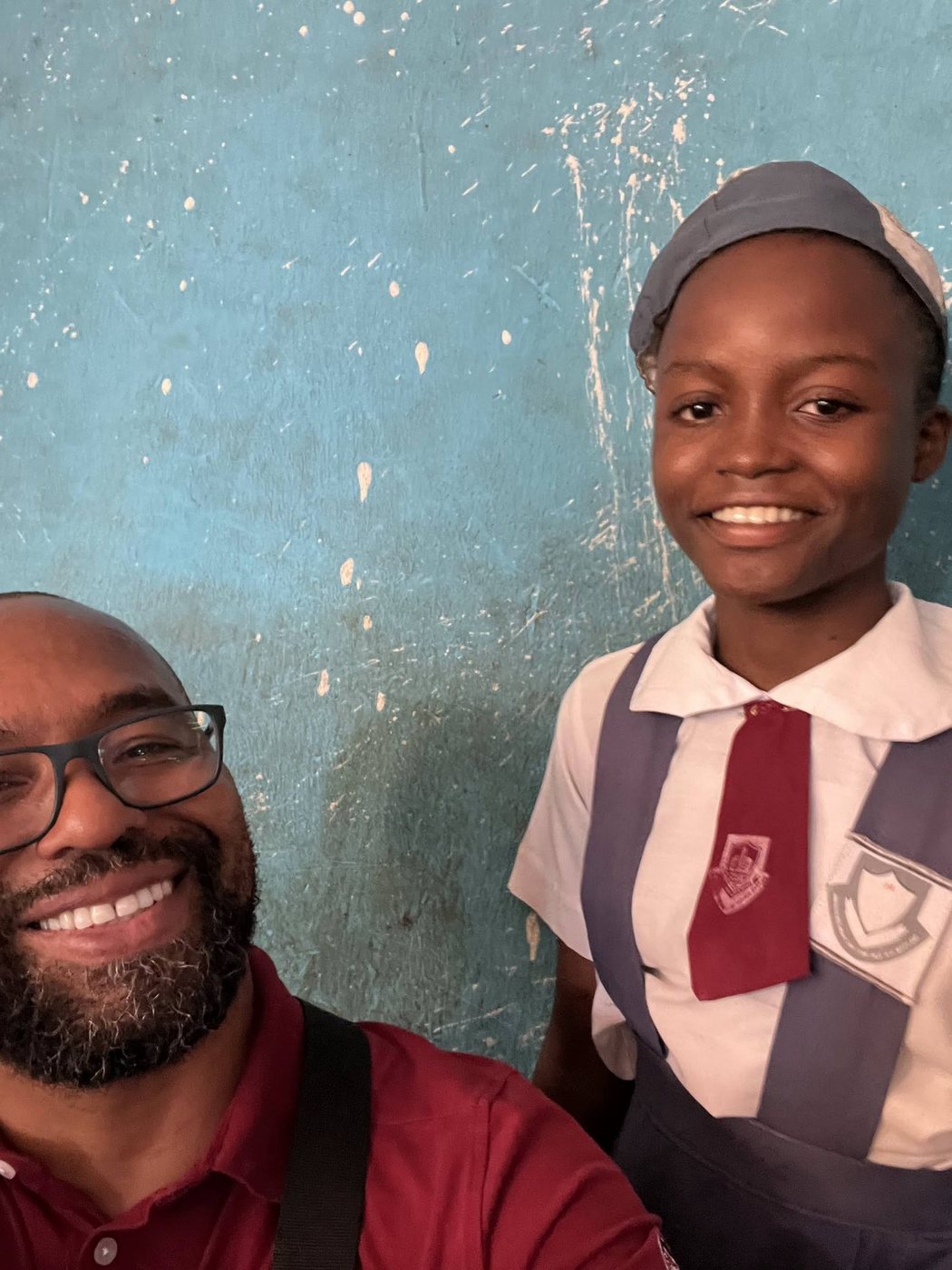
Eli Marshall Davis
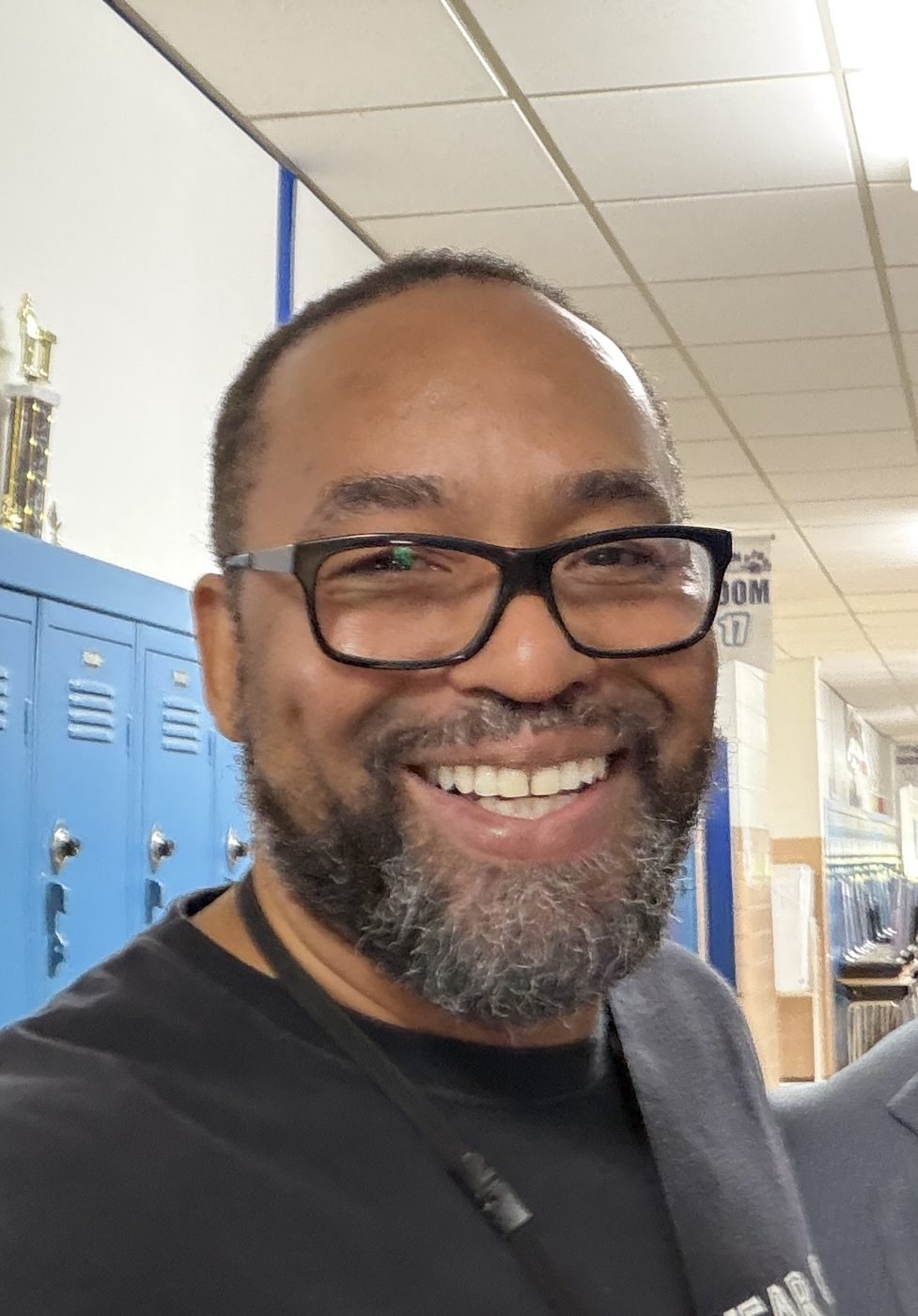
Eli Davis. Eighteen years in classrooms, special education first, building with AI since 2022.
The longer version
Founder of 4 Black Centuries LLC and creator of Epigenetic Consciousness, a framework connecting learning environments, culture, history, and the wellbeing of children. Eighteen years in education, five of them in a residential therapeutic school, where the first lesson every day was settling a nervous system so learning became possible. That is still the method. Building with AI since December 2022. The lesson-planning conversation stays about the child, not the interface, because the person leading it is a literacy and special education practitioner first and a builder second. Educators leave holding working tools they authored, and the understanding to author the next one alone. Curiosity breeds brilliance. Our work is the spark.
Where the framework started.
Epigenetics, in plain words: the environment writes on the body. It shapes the biology of the student, the teacher, the administrator, anybody who walks into the building. So the adults can set that environment on purpose.
Teacher Talks, Charlotte-Mecklenburg Schools Foundation, April 2019. Eli, then a high school special education teacher at Lincoln Heights Academy, taking Baldwin and Kendrick Lamar to epigenetics and asking whether the science belongs in the classroom. The early stage of the framework.
Set the room on purpose. The real thing shows up.
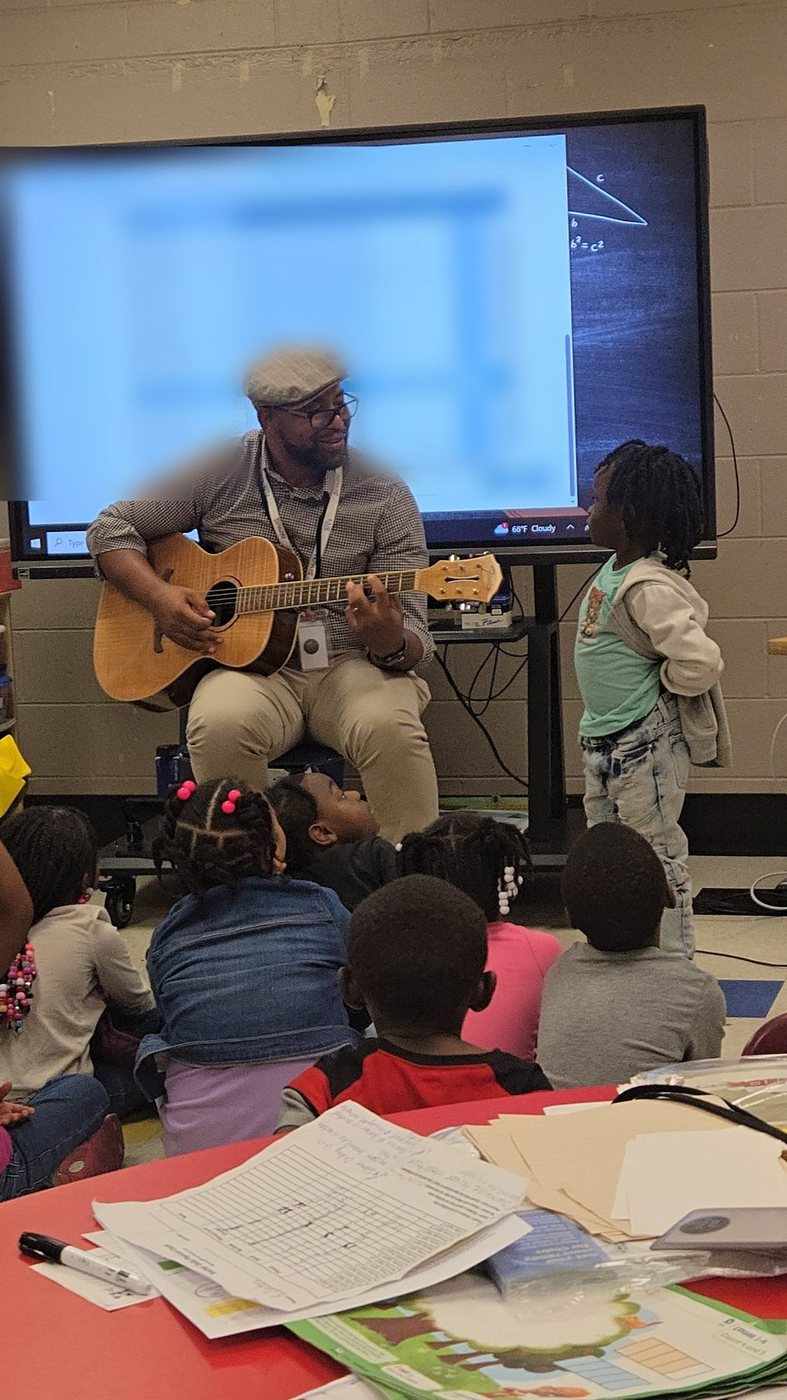
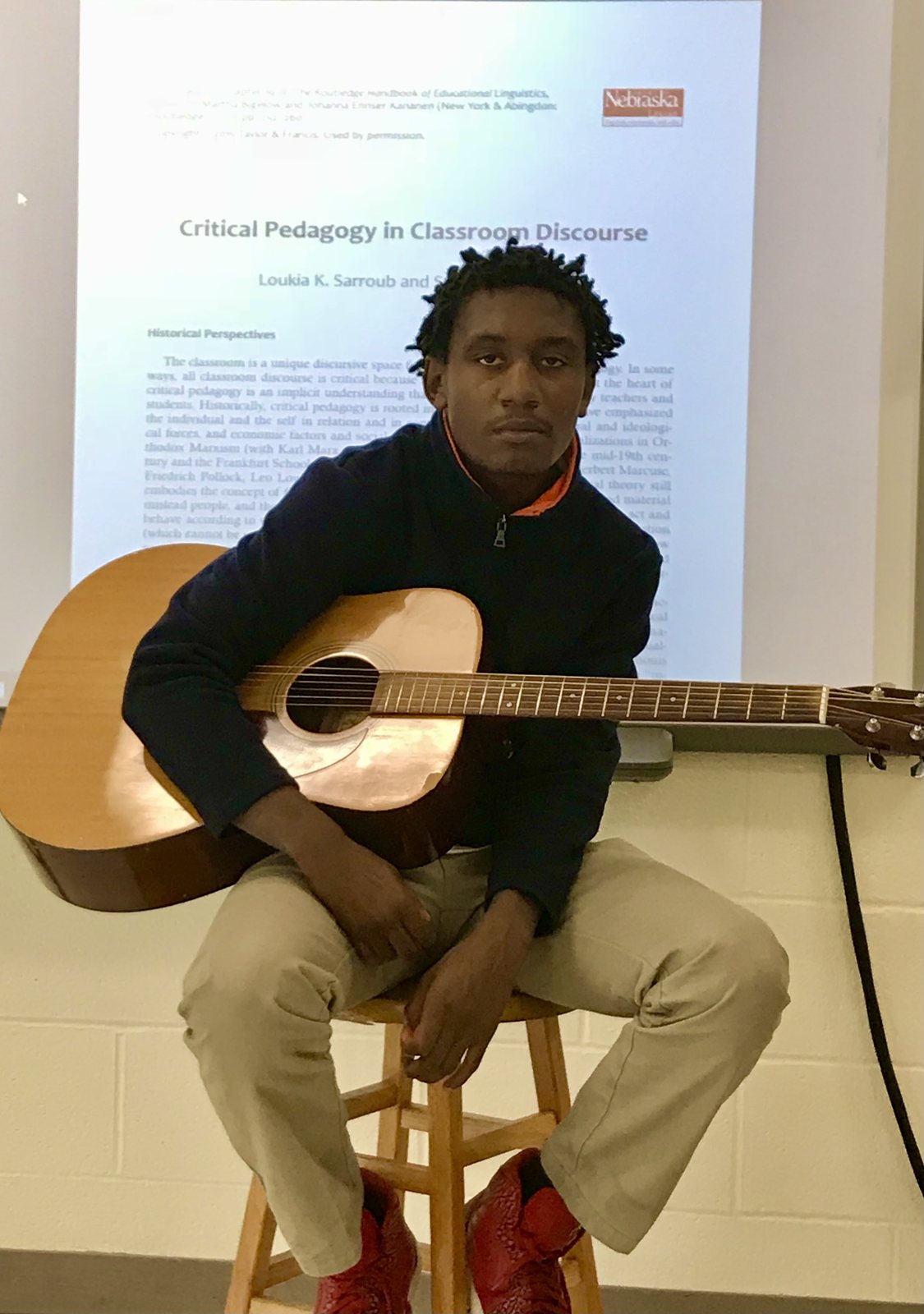
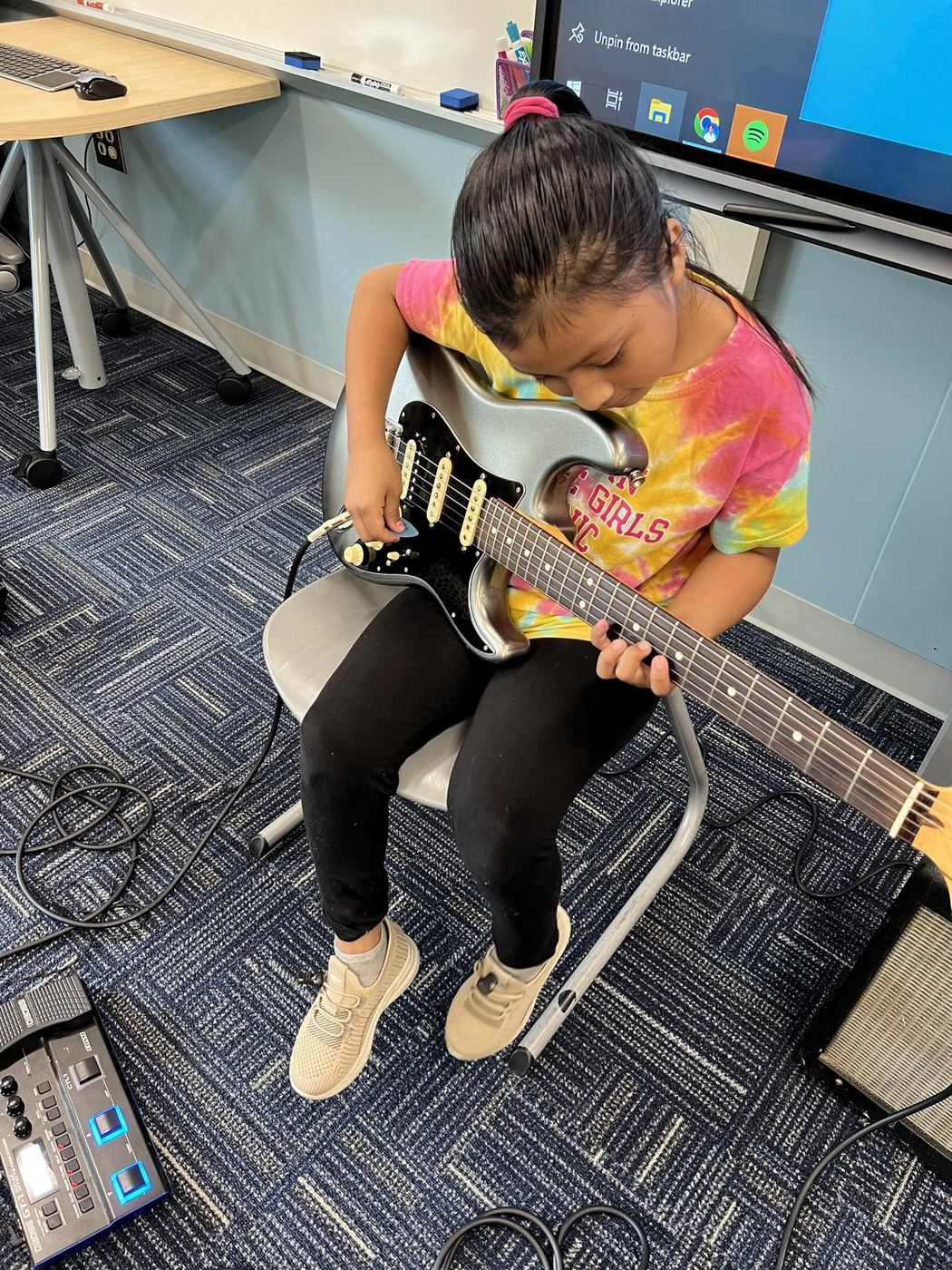
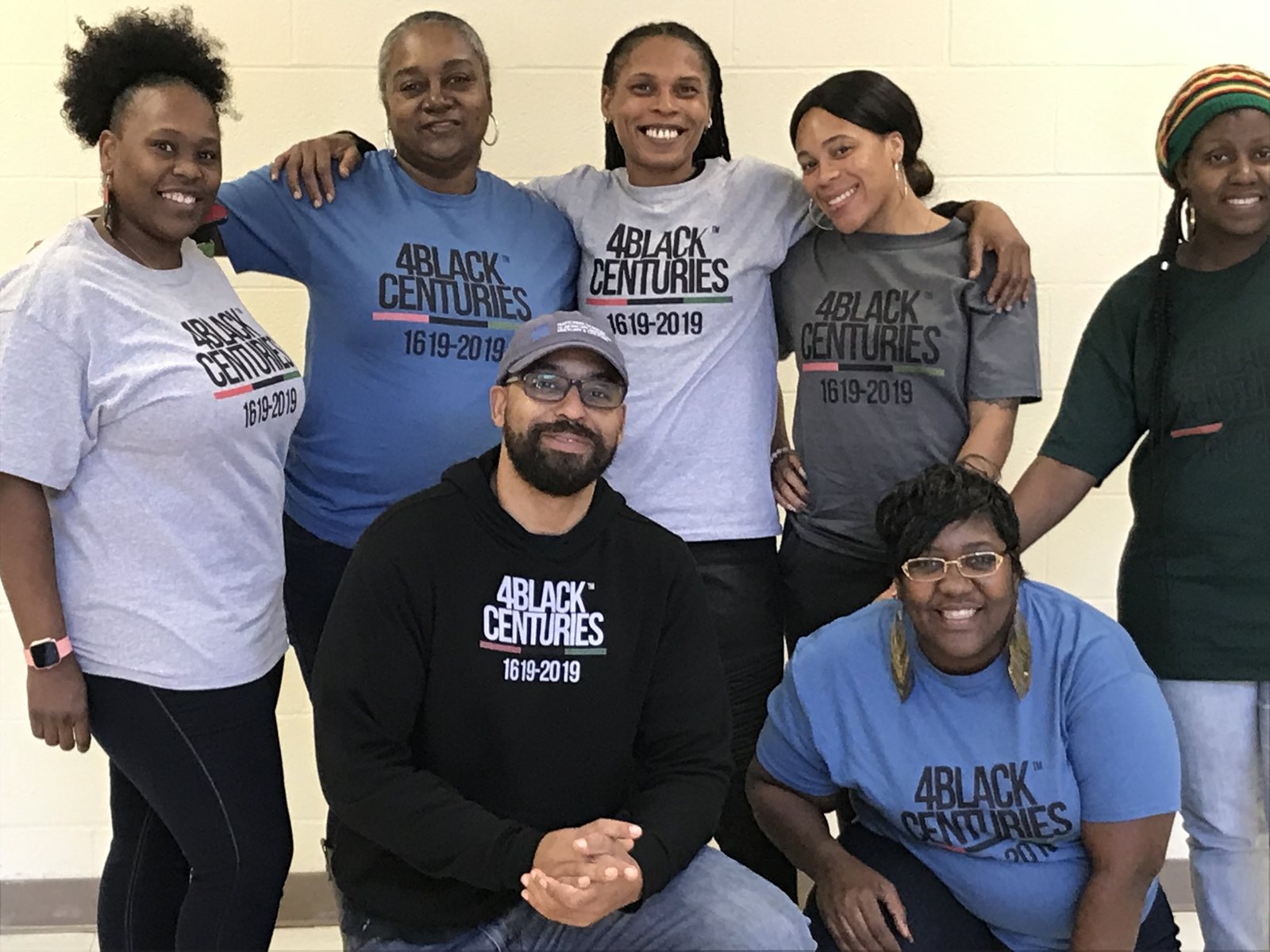
The intention of the engagement leads to authentic experiences. Teachers create the environment, and we can create it on purpose. Nothing here was staged. All of it was caught.
The guitar is a technology. Eli has always taught with technology, and has always wanted to know what it can do inside a classroom. The guitar came first. The machine came after, and it follows the same rule: an invitation, not a performance.
Alongside: Dr. Teaira C. McMurtry
Assistant Professor of Curriculum and Instruction in the School of Education and Human Sciences at the University of Alabama at Birmingham, where she coordinates the graduate secondary English Language Arts program and the pedagogical studies concentration of the doctoral program in Educational Studies in Diverse Populations. Before the professorship, twelve years in Milwaukee Public Schools as a high school English teacher, literacy coach, and district administrator. One of the six authors of the 2020 Conference on College Composition and Communication statement This Ain't Another Statement! This is a DEMAND for Black Linguistic Justice!, alongside April Baker-Bell, Bonnie J. Williams-Farrier, Davena Jackson, Lamar Johnson, and Carmen Kynard.
Her research puts students' home language at the center of instruction and equips teachers to treat that language as a source of rigor rather than a deficit. In print: Prioritizing Black Language: Teacher Reflection Plus Action (English Journal, 2022), We BEEN Knowin: Black Women Teachers (Re)member That Our Language is a Living Legacy, and "Changing the course of the stream": A retrospective analysis of artful language learning opportunities (Journal of Adolescent & Adult Literacy, 2023). Ph.D., English Language and Literature, Cardinal Stritch University. In co-delivered engagements she carries the linguistic justice and teacher education layer the platforms cannot. UAB profile
Bring us one thing off your desk.
Pick your door. Two minutes. It lands with Eli.
The longer version
The pitch is a demonstration. In twelve minutes we take something real from your building, a unit, a memo, a data table, and build it into something your teachers can use, in front of you. Nobody buys this from a description. They buy it from watching it happen.
Pick your door. Each one opens the same short form with the right lane already chosen.
Start the conversation
Two minutes. It lands with Eli directly, and the tool you wished existed has its own line, because recovering wandered ideas is the business.
Join the list
Occasional notes: what we built, what worked, what is coming. No spam, leave anytime.
Direct: eli@4blackcenturies.com · Birmingham, Alabama · across the United States · remotely, anywhere in the world